From Hashtags to House Porn: How Reality TV and Social Media Shape Our Housing Expectations
In today’s digital world, media shapes not just what we see, but how we perceive what’s possible. Social media activism and luxury real estate television represent two powerful, sometimes opposing forces. Social platforms amplify the voices of those fighting for equity and access in housing, while reality TV shows like Selling Sunset and Million Dollar Listing present a glossy, high-budget version of homeownership. These narratives influence expectations, budgets, and even Social-emotional responses for buyers, especially first-time, minority, and LGBTQ+ buyers. Understanding this dual influence is critical for homeowners, buyers, Lenders, and realtors who want to navigate the housing market thoughtfully.

SOCIAL MEDIA AS A TOOL FOR HOUSING JUSTICE
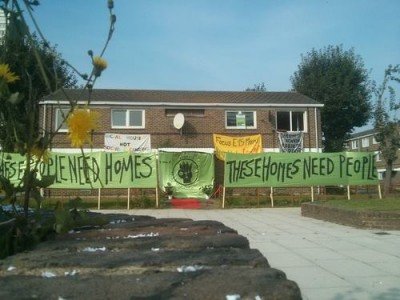
Social media movements such as #NoDAPL (NoDAPL was a social media hashtag and grassroots movement opposing the construction of the Dakota Access Pipeline to protect land and water resources, particularly for the Standing Rock Sioux Tribe) have shown how digital platforms can mobilize people around Indigenous and environmental rights. Academic research demonstrates that platforms like Instagram and Twitter create “connective action,” allowing users to share infographics, experiences, and calls to action that spread quickly and build collective awareness. Housing justice movements such as Focus E15 in London have harnessed these platforms to fight displacement and demand affordable housing.
REALITY TV & THE ILLUSION OF LUXURY HOMEOWNERSHIP
Shows like Selling Sunset glamorize expensive properties, instant transactions, and flawless renovations. A 2025 National Association of Realtors (NAR) survey found:
• 77% of agents say these shows create unrealistic expectations
• 60% say they raise expectations for how homes should look
Staging has grown in importance, with NAR reporting that it can boost offers by 1–10% and shorten days on market.
While staging and design matter, these shows often distort what average buyers should reasonably expect.

THE DIVIDE: WHO BENEFITS AND WHO GETS LEFT BEHIND?
These two narratives, activism vs. luxury media, shape housing in contradictory ways.
Social media activism promotes:
• Housing affordability
• LGBTQ+ and minority access
• Awareness of discrimination
• Community empowerment
Reality TV promotes:
• High-end aesthetics
• Instant gratification
• Unrealistic budget expectations
• Exclusivity
For marginalized buyers already facing lending disparities and wage gaps, the glamourized version of real estate can feel alienating or unattainable.
Psychological & Financial Impacts on Buyers
The psychological effect of the media cannot be overstated. Seeing high-budget homes repeatedly can lead to:
Decision fatigue: comparing every property to a media standard.
Frustration or self-doubt: especially among first-time buyers or marginalized groups.
Overleveraging: buyers may stretch budgets trying to “keep up” with media expectations.
Minority and LGBTQ+ buyers are particularly affected. Studies show that systemic inequalities in lending, wages, and wealth accumulation make it harder for these buyers to compete with media-driven aspirational norms. Social media activism helps by raising awareness, offering financial education, and creating communities of support, but the influence of luxury-focused TV is persistent and persuasive.
Bridging the Divide: Recommendations for Equity & Realism
To mitigate these effects:
Educate buyers: Teach clients the difference between media portrayals and realistic market conditions.
Use social media responsibly: Promote advocacy, affordability, and practical tips alongside aspirational content.
Highlight equity: Showcase minority and LGBTQ+ homeownership success stories to counter unrealistic standards.
Advocate for fair housing policies: Encourage local initiatives that expand access to affordable homes.
Encourage realistic staging and budgets: Balance visual appeal with practical financial guidance.
By doing so, REALTORS and advocates can leverage the power of media while minimizing negative effects on buyers’ expectations.
Media shapes not just what we want, but what we believe is possible. Social platforms provide a voice for equity movements, while reality TV often widens the expectation gap. Understanding both helps us advocate for a housing market where homeownership is accessible, realistic, and equitable, not just Instagram, “perfect”.
#HousingJustice #RealEstateReality #SellingSunsetEffect
Sources
Standing Rock – NoDAPL Movement: https://en.wikipedia.org/wiki/NODAPL
Connective Action Research: https://arxiv.org/abs/2111.00714
Focus E15 Housing Justice: https://en.wikipedia.org/wiki/Focus_E15
NAR Home Staging Report (2025): https://cms.nar.realtor/sites/default/files/2025-06/2025-profile-of-home-staging-report-06-26-2025.pdf
NAR Staging Insights: https://www.nar.realtor/newsroom/nar-report-reveals-home-staging-boosts-sale-prices-and-reduces-time-on-market
OpenAI. (2025). ChatGPT (Dec 3 version) [Large language model]. https://chat.openai.com (brainstorming)